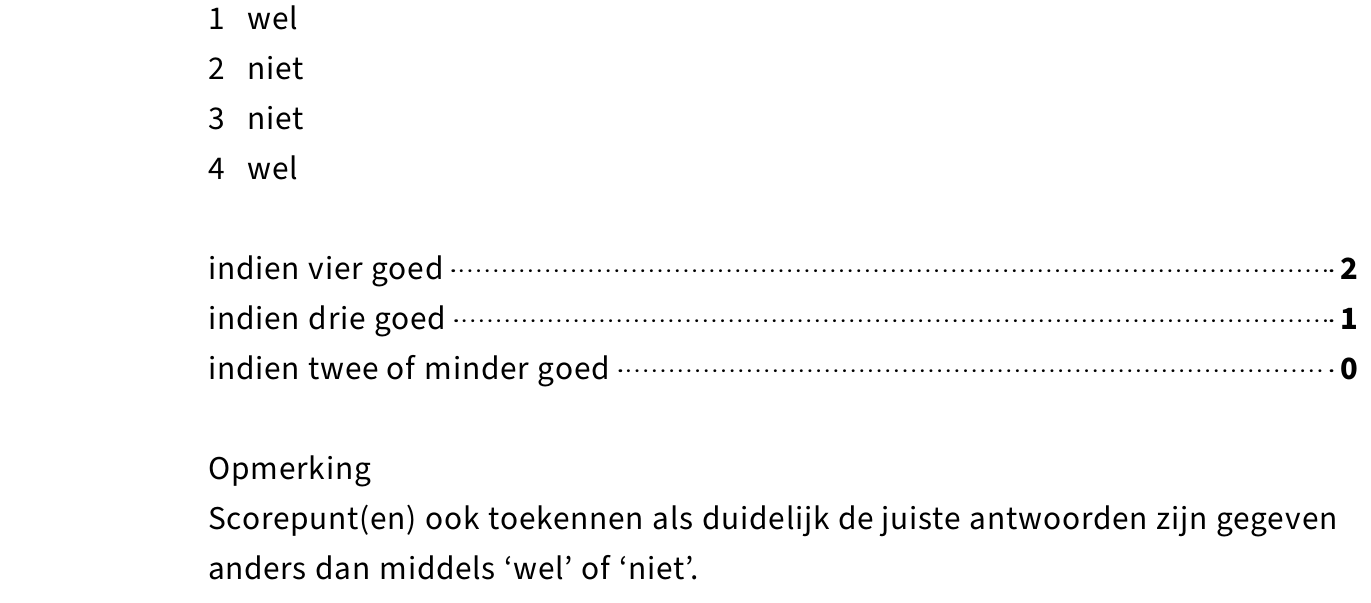
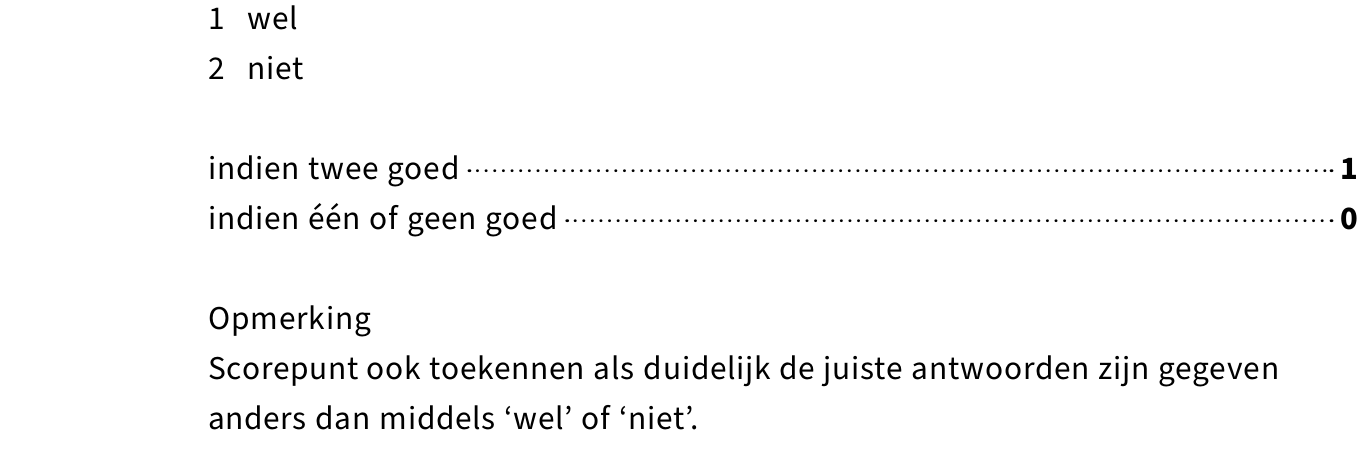
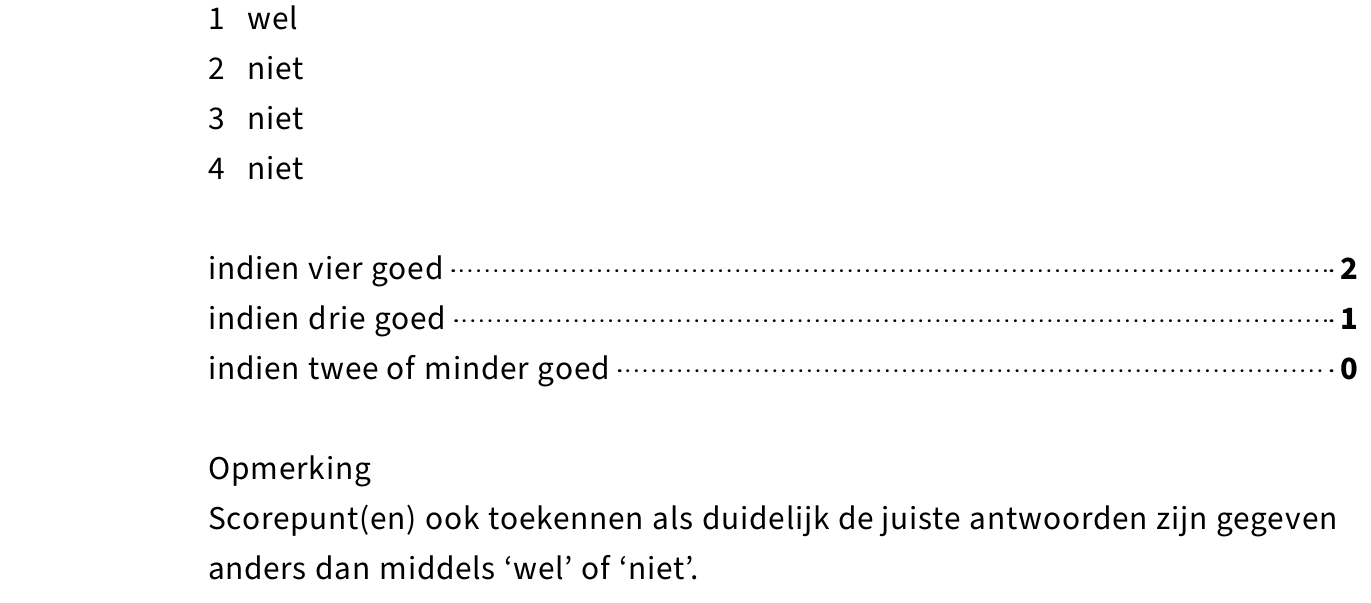
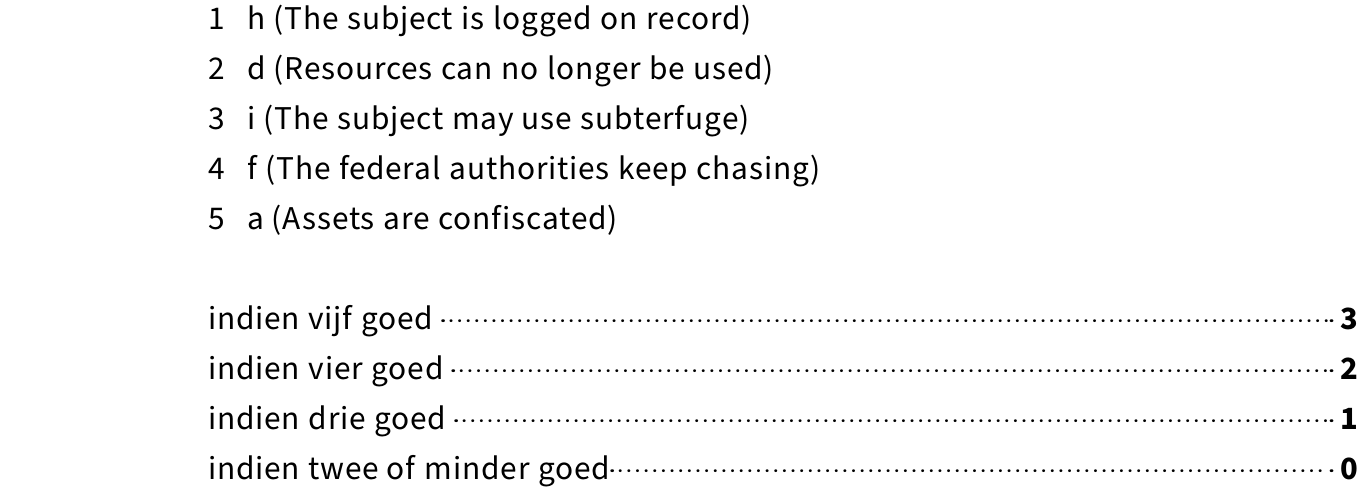
Noteer ‘wel’ of ‘niet’ achter elk nummer op het antwoordblad.
1 It did not belong to the Anglo-Saxon realm.
2 It started out as a francophone community.
3 It waged battles to gain dominance over Britain.
4 Its name started as an insult but was reclaimed as a badge of pride.
341pWhat is the main function of the aside (the part in between brackets) in
paragraph 4? (1 punt)
A to clarify why the author thinks that knowing all the details can be relevant
B to clear up an observation made by the author earlier in the book
C to point out that the author has done extensive scientific research
D to stress that the author favours entertainment over comprehensive detail
Er zijn twee woordgroepen weggelaten uit alinea 5 (zie 35-1 en 35-2).
352pWelke woordgroepen horen op de lege plekken in de tekst? (2 punten)
Noteer de letter van de woordgroep achter het nummer op het antwoordblad.
Let op, er blijven vijf woordgroepen over.
a a checkered and violent past
b a consequent sense of cohesion
c a fertile home ground
d a fundamental reappraisal
e a period of military power
f a shared royal line
g a significant economic recovery
Het vervolg van alinea 6 van tekst 8 is weggehaald (zie […36…]). Het staat
hieronder in drie delen, maar niet in de juiste volgorde:
[a] It would have made stealing livestock tricky, as herding lots of animals back
over it would be difficult. Also, it will have been symbolically powerful. Perhaps
it was just literally drawing a line, asserting power: Anglo-Saxons hold sway up
to here.
[b] People don’t exactly know why. The answer ‘just for fun’ can be ruled out
because constructing a ditch that long would take a huge amount of effort and
resources today − for a small eighth-century kingdom it would have felt as
difficult as acquiring a nuclear deterrent. Was it supposed to be a deterrent, a
defensive military line? Maybe, but it wouldn’t be a very good one, unless it was
manned and it doesn’t seem likely that it was − it’s too long. Assuming an
invading army didn’t require disabled access, it wouldn’t stop them − they could
scramble over it.
[c] You may have heard of it. People do walks along it these days. It’s a very long
earthwork − a ditch with an embankment − that runs roughly along the Welsh-
English border or, at the time of construction, the Mercia-Powys border. It’s been
called Offa’s Dyke since time immemorial and, unusually for something like that,
it’s probably correctly named and was indeed constructed by order of King Offa
of Mercia.